


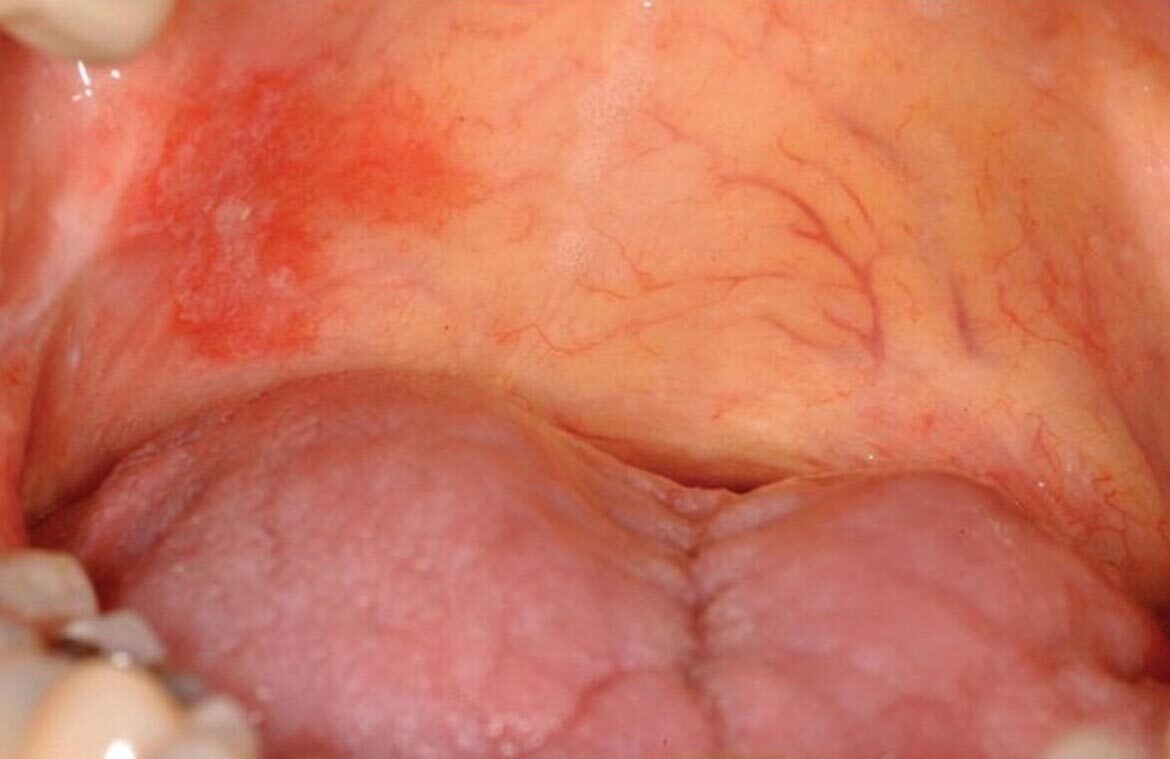
Premalignant diseases are abnormal tissue changes that have the potential to progress into cancer. These conditions are typically asymptomatic and are often discovered during routine screenings or diagnostic tests. Detecting and treating premalignant diseases early is essential for preventing the development of cancer.
Types of Premalignant Diseases
Some of the most common types of premalignant diseases include:
01
Leukoplakia
This condition causes white or gray patches to form on the tongue, gums, or inner cheeks.
02
Oral Lichen Planus
This condition causes white, lacy patches to form on the gums, tongue, or inner cheeks.
03
Actinic Keratosis
This condition causes scaly, crusty patches to form on the skin, typically on areas exposed to the sun.
04
Cervical Dysplasia
This condition causes abnormal cell changes to occur on the cervix, which can progress to cervical cancer.
05
Barrett's Esophagus
This condition causes changes in the cells that line the esophagus, increasing the risk of developing esophageal cancer.
Diagnosis and Treatment
Premalignant diseases are typically diagnosed through routine screenings or diagnostic tests, such as Pap smears or biopsies. Treatment for premalignant diseases may vary depending on the type and severity of the condition. In some cases, observation and regular monitoring may be recommended. In other cases, surgical removal of the affected tissue or treatment with medication may be necessary.
Prevention
Preventing the development of premalignant diseases is essential for reducing the risk of developing cancer. Some strategies for prevention include:
01
Regular screenings:
Regular screenings can help detect premalignant diseases early, when they are most treatable.
02
Quitting smoking:
Smoking is a major risk factor for many types of cancer, including those associated with premalignant diseases.
03
Protecting the skin:
Protecting the skin from sun exposure can help reduce the risk of developing actinic keratosis and other types of skin cancer.
04
HPV Vaccination:
The HPV vaccine can help prevent the development of cervical dysplasia and cervical cancer.
Conclusion
Premalignant diseases are abnormal tissue changes that have the potential to progress into cancer. Early detection and treatment are essential for preventing the development of cancer. Regular screenings, quitting smoking, protecting the skin, and HPV vaccination are all important strategies for preventing the development of premalignant diseases. Consult with your healthcare provider to determine whether you are at risk for developing premalignant diseases and what steps you can take to reduce your risk.
Get in touch
