Dental Crowns : Everything You Need to Know
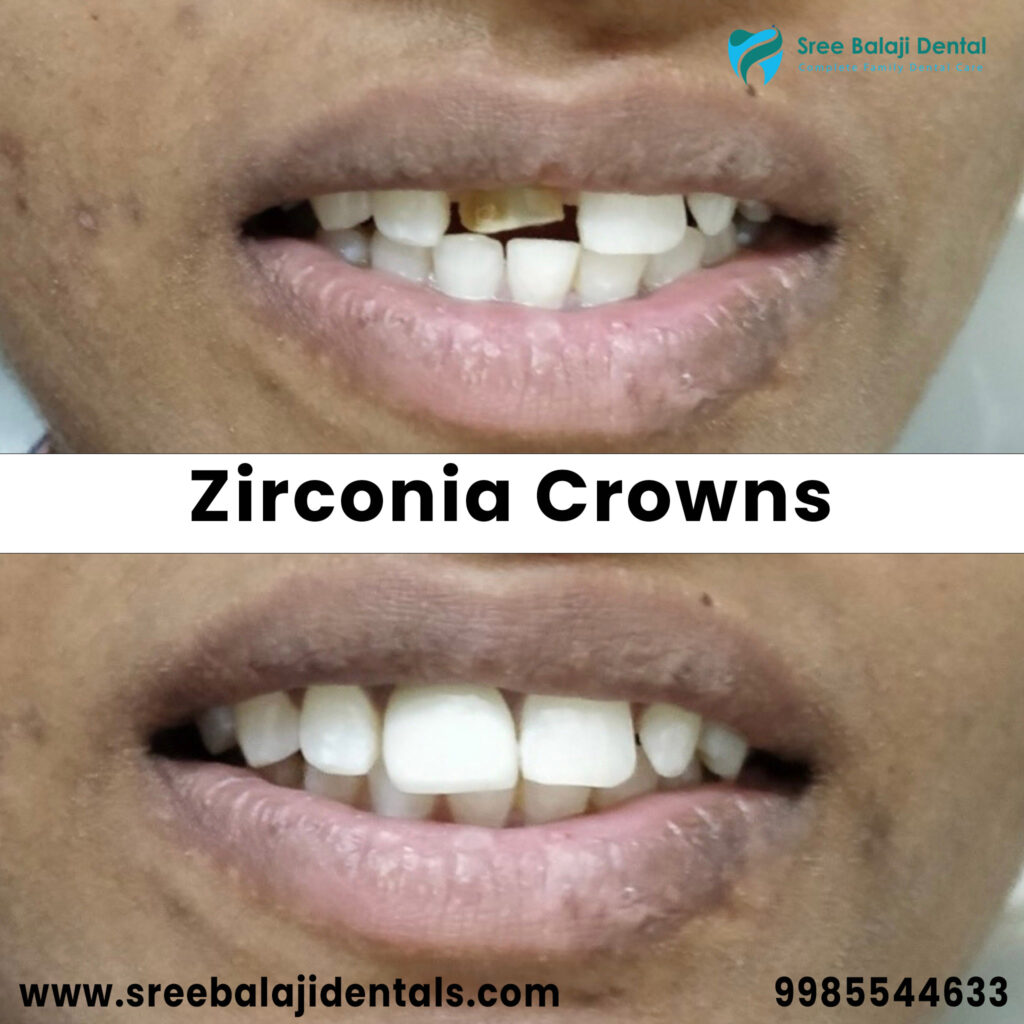
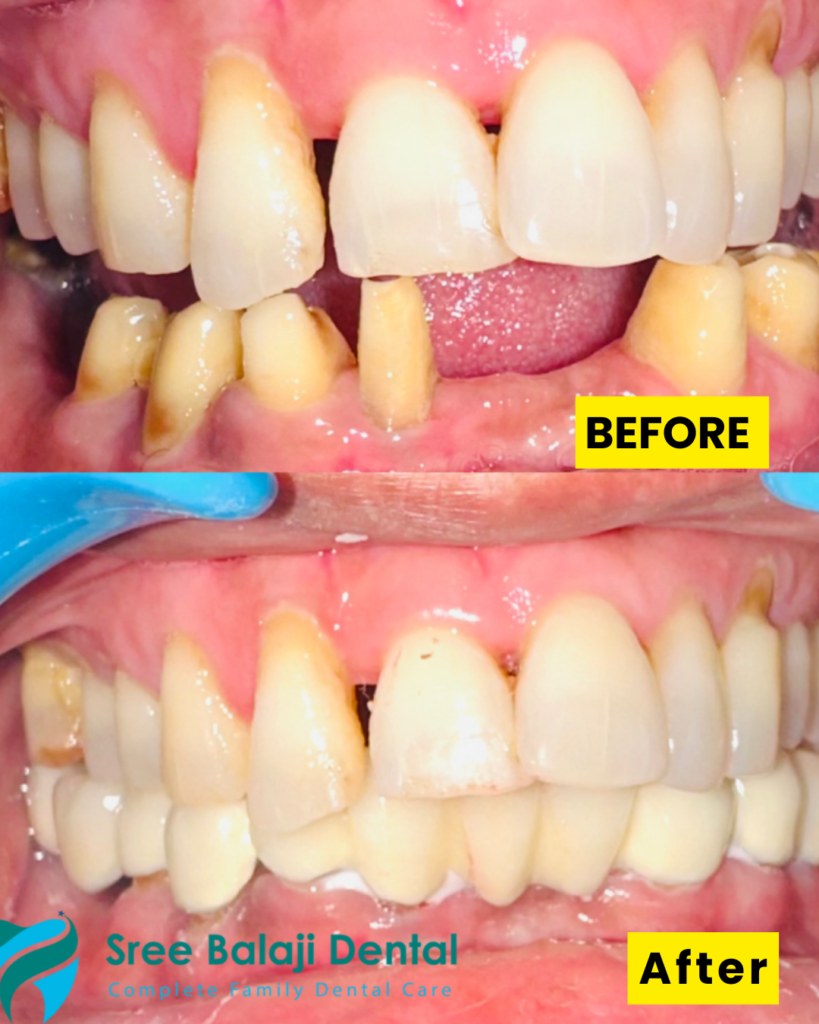
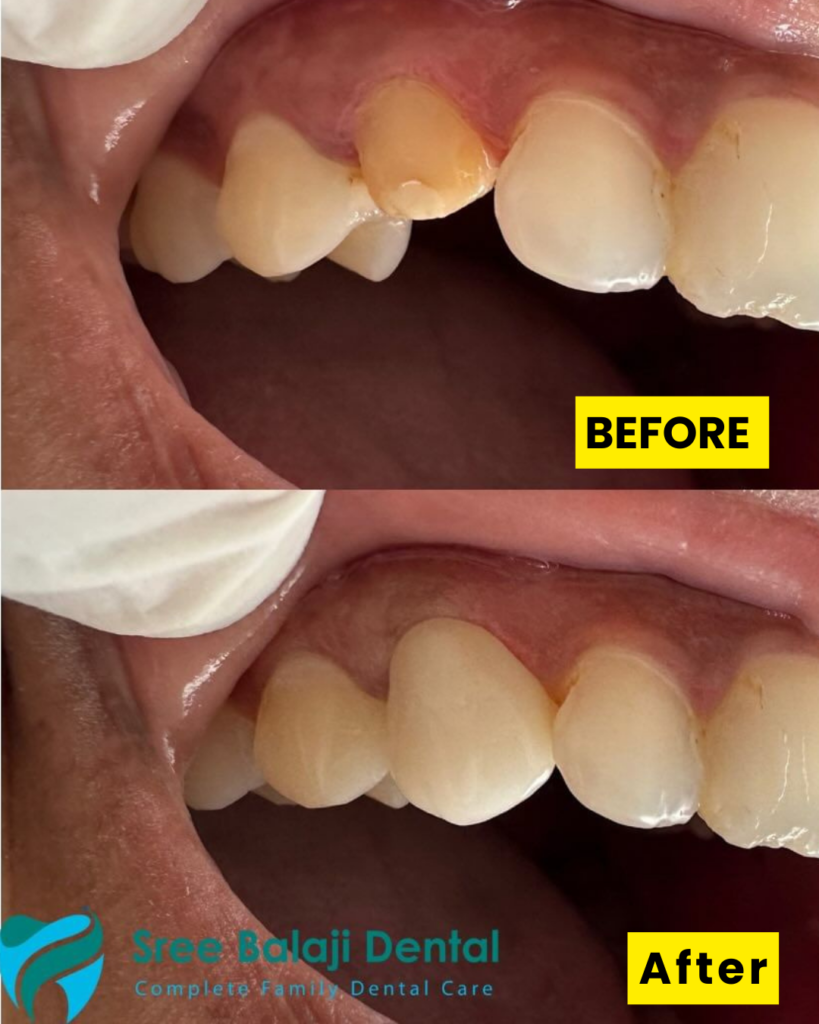
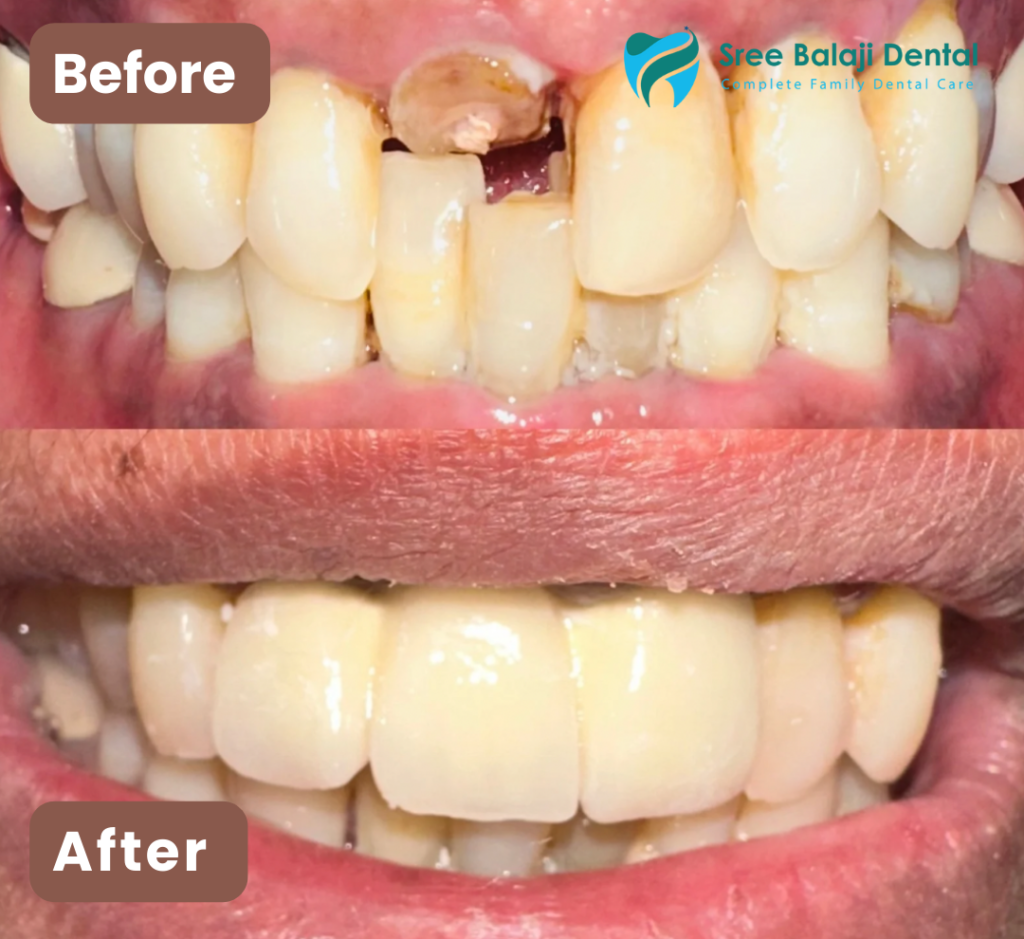
Dental crowns are biocompatible metal / zirconia caps that are snugly fitted to the tooth structure to regain its esthetics and functionality.
When do need dental crowns:
- Post root canal treatment of the tooth to regain its function.
- In case of loss of coronal structure of teeth
- To cover the implant teeth.
- To improve esthetics in case of developmental anomalies of teeth like fluorosis / hypoplasia of teeth.
Why do we need dental Crowns:
- To improve the strength of the teeth post Root canal treatment.
- For dissipation of the occlusal forces.
- To bring the functional efficiency of the teeth.
- Restoring back the esthetics of teeth for better smile.
How are Dental Crowns prepared:
Teeth preparation: teeth preparation is the prime step which involves cutting the enamel surface of the teeth and shaping it for proper fit of the crown.
Shade selection: in the presence of good lighting dentist selects the shade of the teeth for esthetic improvement with the help of shade guide.
Impression of the teeth: After the preparation of the teeth with the help of biocompatible impression materials ( Alginate/ Putty) cast is pored and sent to the lab for fabrication of the crown.
Temporary crown: the prepared tooth surface is covered with temporary crown to protect the teeth from occlusal trauma and sensitivity in case of vital crowns.
Crown cementation: once the dentist receives the crown from the lab it will be checked for proper fit, stability, aesthetics and occlusal discrepancy. After all the checks the crown is fixed with luting consistency of dental cement or resin cement.
Advantages of crown:
- Improves the longetivity of the teeth
- Restores back the lost tooth structure
- Protects the RCT treated teeth from infections
- Enhances the aesthetics of the teeth
- Restore the function of chewing
Disadvantages of crown:
- Requires removal of some material teeth structure
- In case of vital crowns chance of sensitivity experience at times
Maintainance of crown:
- Temporary crown: avoid sticky foods,extremely hard foods, cold food and chewing gums as these can dislodge the crowns
- Permanent crowns:
- Brushing twice daily in a proper method for maintainance
- Use dental floss after brushing
- Avoid extremely hard/ crunchy food on particular teeth
- Regular dental checkup of teeth in every 6 months required
When should i visit dentist after crown placement:
- If there is food wedging adjacent to the crown
- Chipping of superficial layer on the crown
- Any sharp points felt by the tongue of cheeks
- Dislodged crown
- Any pain after cementation of the crown
How many days dental crown lasts:
On an average dental crown lasts for 15 yrs as there will be physiological changes in oral soft tissue crowns needs to be replaced.
What do I feel once the crown is placed:
- As a new metallic structure is placed in the oral cavity feeling of new ones and heaviness on the particular teeth is normal.
- Tongue drives to new place of attachment and feels new
- At times sensitivity is felt after cementation which lasts for 24-48 hrs.
Different types of dental crown material
- Full metal crowns
- Porcelain fused metal crowns(PFM)
- Direct metal laser sintered crown(DMLS)
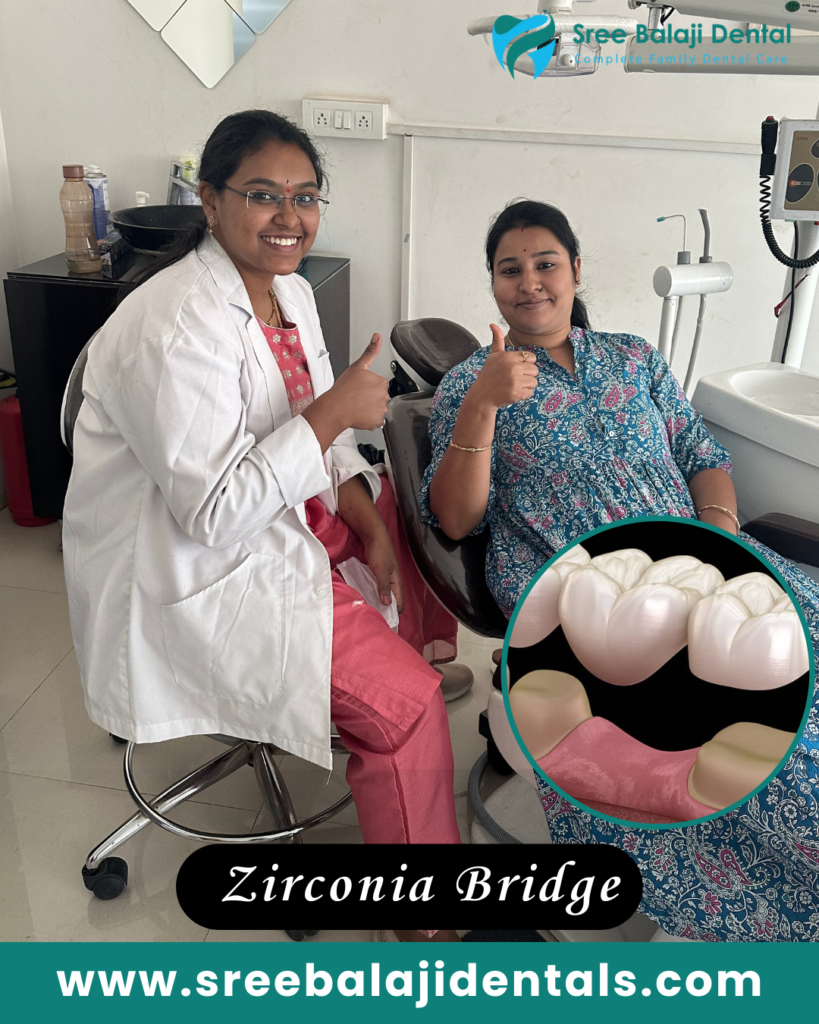
- Zirconia crown
- Monolithic zirconia crown
- Lithium disilicate/ e-max crown
These crowns are selected based on the area and amount of tooth structure needs to be replaced.
Frequently Asked Questions (FAQs)
1. How long do dental crowns last?
Dental crowns typically last between 10 to 15 years with proper care. Zirconia and metal crowns can last even longer due to their strength and durability.2. Does getting a dental crown hurt?
No, the procedure is performed under local anesthesia, so you won’t feel pain during the process. You may experience mild sensitivity for a few days afterward, which will subside on its own.3. Are dental crowns noticeable?
No. Porcelain and zirconia crowns are designed to match the color and texture of your natural teeth, making them blend seamlessly with your smile.4. Can I eat normally with a dental crown?
Yes, once the crown is fully set and adjusted, you can eat normally. However, avoid hard or sticky foods initially to prevent damage.5. How do I clean my dental crown?
You should brush and floss your crown just like your natural teeth. A soft-bristled toothbrush and non-abrasive toothpaste are recommended.6. What happens if my crown falls off or becomes loose?
Contact us immediately. We will assess the crown and reattach or replace it as needed. Avoid chewing on the affected side until it’s fixed.7. Can a crown be replaced if it’s damaged?
Yes, crowns can be replaced if they become chipped, cracked, or loose. Visit us for an evaluation to determine the best solution.8. What is the difference between a crown and a veneer?
A crown covers the entire tooth, while a veneer only covers the front surface. Crowns are used for structural repairs, while veneers are mainly for cosmetic improvements.9. How soon can I resume normal activities after getting a crown?
You can resume normal activities immediately after the procedure. However, avoid eating hard or sticky foods for the first 24 hours to allow the crown to fully set.10. What are the strongest materials for dental crowns?
Zirconia and metal crowns are the strongest and most durable materials available. They are highly resistant to chipping, cracking, and wear.Book Your Appointment