


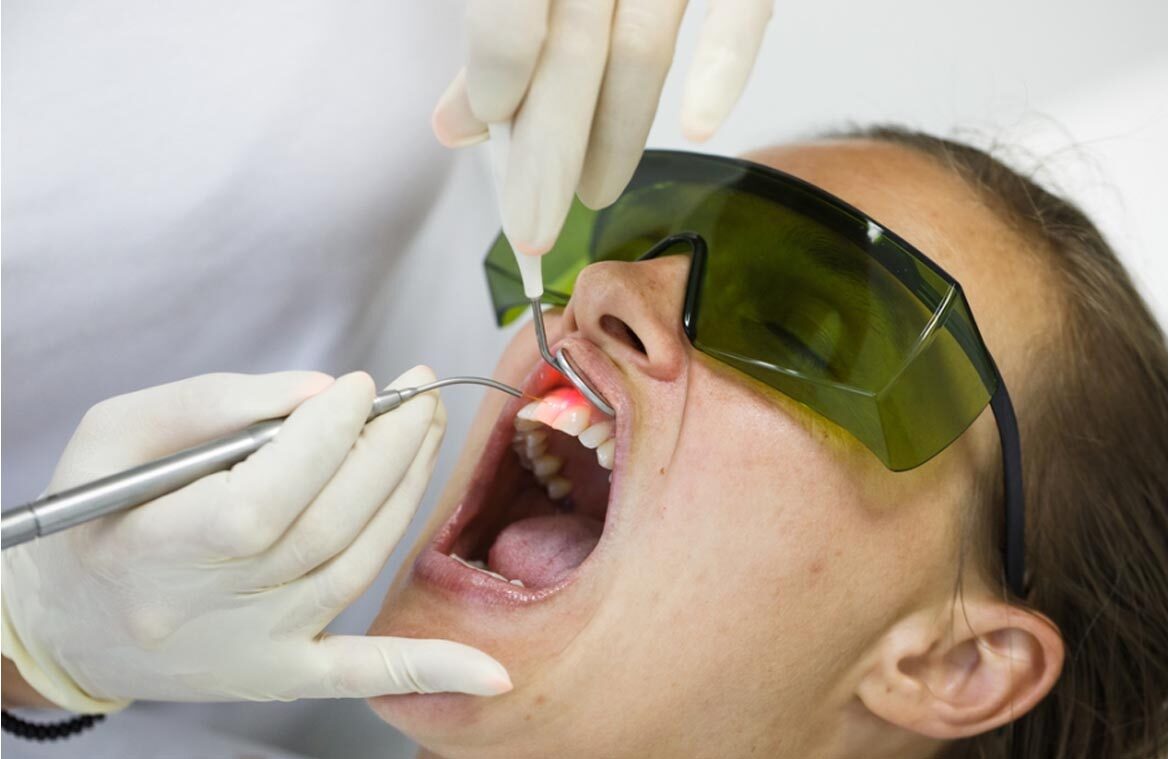
Conventional gum surgeries, also known as periodontal surgeries, are dental procedures used to treat advanced gum disease that cannot be treated with non-surgical treatments. These surgeries aim to repair and regenerate the gum tissues and bone that support the teeth.
Reasons for Conventional Gum Surgeries
Conventional gum surgeries may be necessary for several reasons, including:
01
Gum Recession
When the gums recede, the tooth roots become exposed, leading to tooth sensitivity, decay, and loss.
02
Gum Pockets
When the gums pull away from the teeth, they form pockets that can trap bacteria and cause infection.
03
Bone loss
When gum disease progresses, it can lead to bone loss, which can weaken the teeth and cause them to shift or become loose.
04
Cosmetic concerns:
Some people may choose to undergo gum surgery to improve the appearance of their gums or teeth.
Types of Conventional Gum Surgeries
There are several types of conventional gum surgeries, including:
01
Gingivectomy:
This procedure involves removing and reshaping the gum tissue to eliminate pockets and improve the gumline's appearance.
02
Flap surgery:
This procedure involves lifting the gum tissue to clean and remove tartar from the root surface, and then suturing it back in place.
03
Bone grafting:
This procedure involves adding bone or bone-like materials to the jawbone to restore bone support to the teeth.
04
Guided tissue regeneration:
This procedure involves placing a special barrier over the affected bone to encourage the growth of new bone tissue.
05
Soft tissue grafting:
This procedure involves taking tissue from the roof of the mouth or a donor source and using it to replace missing or damaged gum tissue.
Benefits of Conventional Gum Surgeries
Conventional gum surgeries offer several benefits, including:
01
Improved oral health:
Conventional gum surgeries can effectively treat gum disease and prevent further damage to the teeth and gums.
02
Preservation of teeth:
Gum surgeries can save damaged teeth and prevent the need for extractions.
03
Enhanced aesthetics:
Gum surgeries can improve the appearance of the gums and teeth, creating a more attractive smile.
04
Increased comfort:
Gum surgeries can reduce tooth sensitivity and discomfort caused by gum disease.
Aftercare
After undergoing conventional gum surgery, it’s important to follow proper aftercare practices, such as taking prescribed medication, avoiding hard or crunchy foods, and maintaining good oral hygiene practices. You should also attend regular dental check-ups to ensure proper healing and prevent future dental issues.
Conclusion
Conventional gum surgeries are effective dental procedures used to treat advanced gum disease and restore the gum tissues and bone that support the teeth. There are several types of gum surgeries, each with its benefits and considerations. Conventional gum surgeries offer several benefits, including improved oral health, preservation of teeth, enhanced aesthetics, and increased comfort. Proper aftercare practices are essential to promote healing and prevent future complications. Consult with your dentist to determine whether conventional gum surgery is necessary for your dental health.
Get in touch
