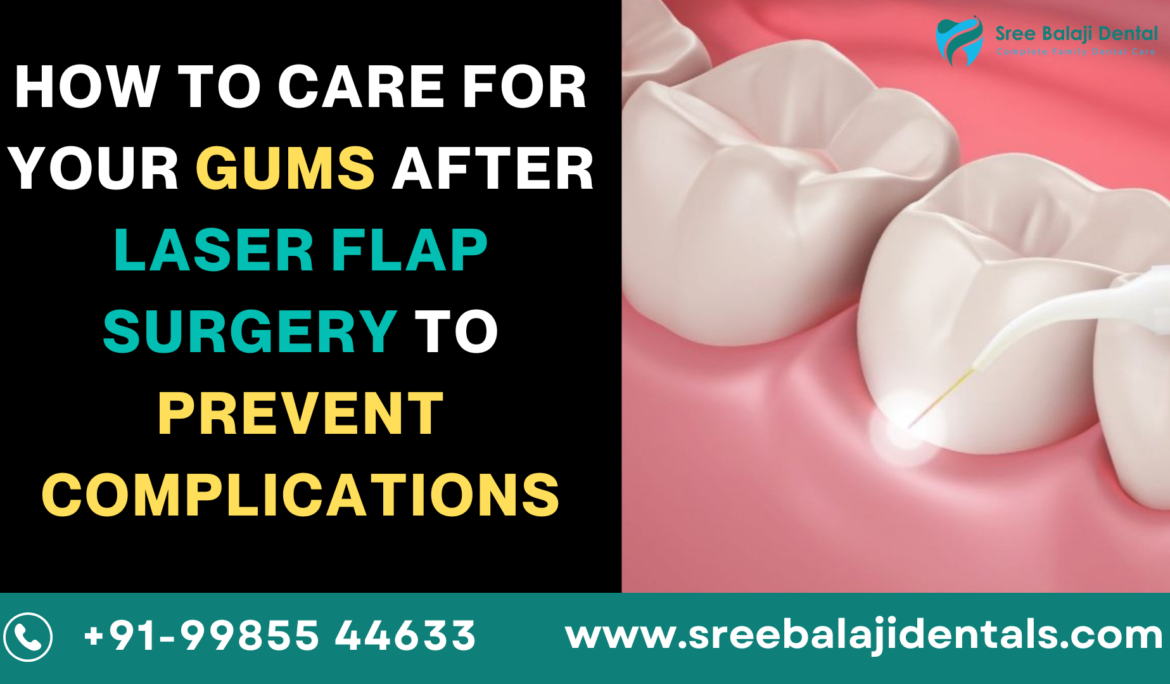
Laser flap surgery is a minimally invasive procedure used to treat gum disease effectively. While the procedure itself is less painful and has a shorter recovery period compared to traditional gum surgery, proper aftercare is essential to ensure smooth healing and prevent complications. At Sree Balaji Dentals, Manikonda, we provide personalized aftercare guidance to help our patients recover quickly and maintain optimal oral health.
Why Aftercare is Important
After laser flap surgery, your gums will be in a sensitive state as they heal. Proper aftercare helps:
Reduce swelling and discomfort
Prevent infection
Encourage faster tissue regeneration
Improve the long-term success of the procedure
Essential Aftercare Tips
1. Maintain Oral Hygiene
Use a soft-bristled toothbrush to gently clean your teeth.
Avoid brushing the surgical site for the first few days.
Rinse your mouth with an antimicrobial mouthwash (as prescribed) to prevent bacterial growth.
2. Manage Swelling and Discomfort
Apply an ice pack on the outside of your cheek for 10–15 minutes at a time during the first 24 hours.
Take over-the-counter pain relievers as prescribed by your dentist.
3. Dietary Guidelines
Stick to soft foods like yogurt, mashed potatoes, and soups for the first week.
Avoid hard, crunchy, spicy, and hot foods that could irritate the gums.
Stay hydrated by drinking plenty of water.
4. Avoid Smoking and Alcohol
Smoking and alcohol can delay healing and increase the risk of infection.
Refrain from smoking or consuming alcohol for at least one week after the procedure.
5. Rest and Avoid Physical Activity
Get plenty of rest to support the body’s healing process.
Avoid strenuous exercise or heavy lifting for the first 2–3 days to prevent bleeding.
6. Avoid Touching the Surgical Area
Refrain from touching the surgical site with your fingers or tongue.
Let the gums heal naturally without disturbance.
7. Attend Follow-Up Appointments
Visit your dentist for follow-up appointments to monitor the healing process.
Your dentist will check for any signs of infection or complications and provide further care instructions.
Signs of Complications to Watch For
While most patients heal without issues, you should contact your dentist if you experience:
Severe pain that doesn’t improve with medication
Excessive bleeding or swelling
Pus or discharge from the surgical site
Fever or chills
Difficulty opening your mouth