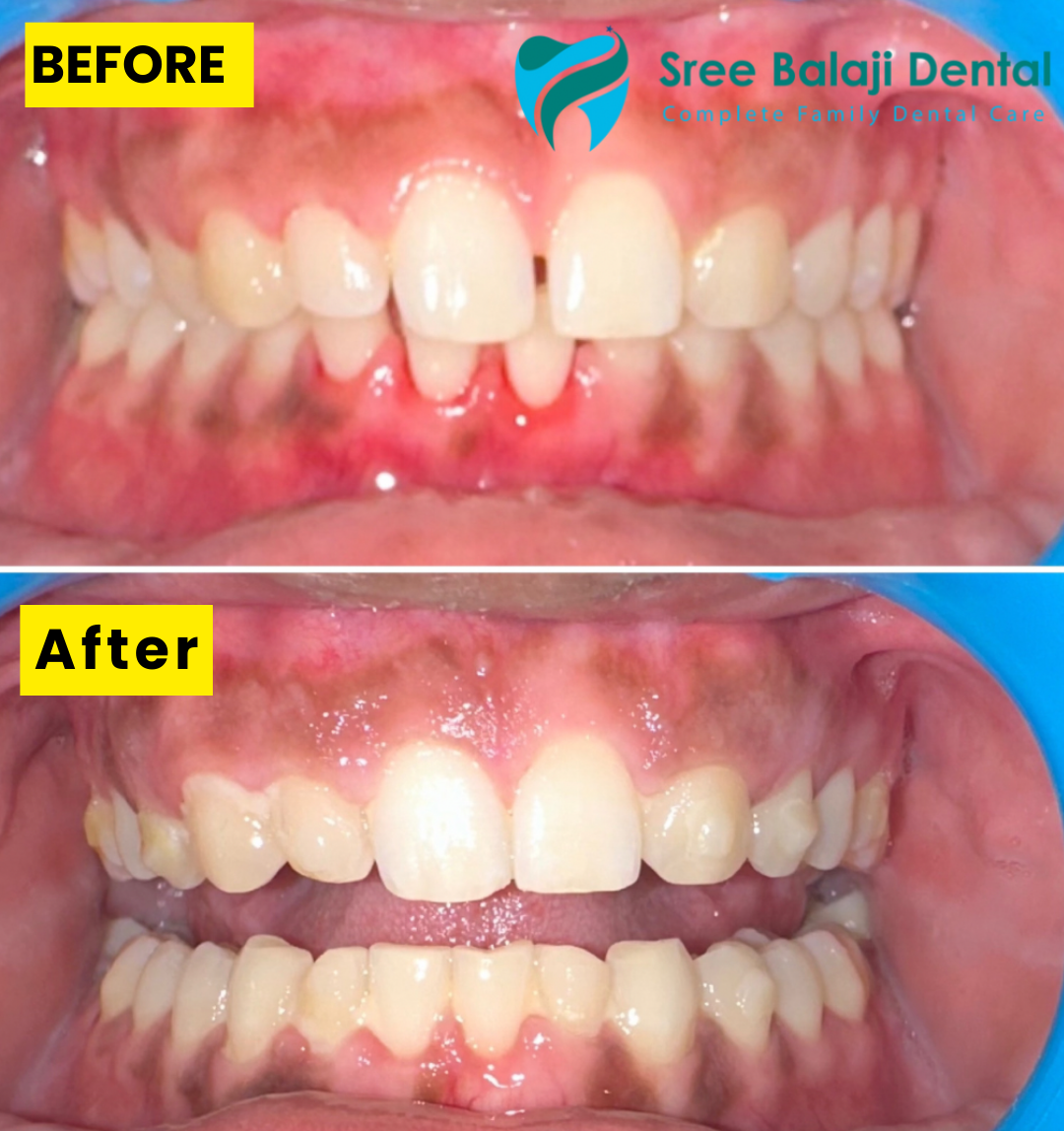
Straightening your teeth has never been easier, a popular alternative to traditional braces. Aligners are a series of clear, custom-made plastic trays that gradually shift your teeth into place. In this article, we’ll cover everything you need to know about aligners.
How Do Aligners Work?
Aligners work by applying gentle pressure on your teeth, gradually shifting them into the desired position over time. Each aligner tray is designed to fit your teeth perfectly and is slightly different from the previous tray to move your teeth a little further.
Aligners are typically used to treat mild to moderate cases of misaligned teeth or bite issues. The treatment duration depends on the severity of the dental condition, and the average treatment duration is about 6-18 months.
The Aligner Procedure
The aligner procedure typically involves several steps. During the initial consultation, your dentist will evaluate your teeth and determine if aligners are the right treatment for you. If so, they will create a treatment plan, including a 3D model of your teeth.
The aligner trays are then custom-made based on the 3D model of your teeth. You will wear each aligner for about 2-3 weeks before switching to the next tray in the series. Your dentist will monitor your progress and adjust the treatment plan as necessary.
Advantages of Aligners
Aligners offer several advantages over traditional braces, including:
Aftercare
After completing your aligner treatment, your dentist will provide you with a retainer to wear to maintain the results. It’s important to follow your dentist’s instructions on wearing the retainer to prevent your teeth from shifting back to their original position.
Proper oral hygiene is crucial during and after the aligner treatment to maintain good oral health. It’s important to brush and floss regularly and schedule routine dental checkups and cleanings to ensure the health of your teeth and gums.
Conclusion
Aligners are an effective, comfortable, and discreet alternative to traditional braces. They are highly customizable and can treat a range of dental issues, from mild to moderate misaligned teeth or bite issues. Proper aftercare is crucial to maintaining the results, and it’s important to follow your dentist’s instructions on wearing the retainer and maintaining good oral hygiene.
If you’re considering aligners, consult with your dentist to determine if they are the right treatment for your specific dental needs.