


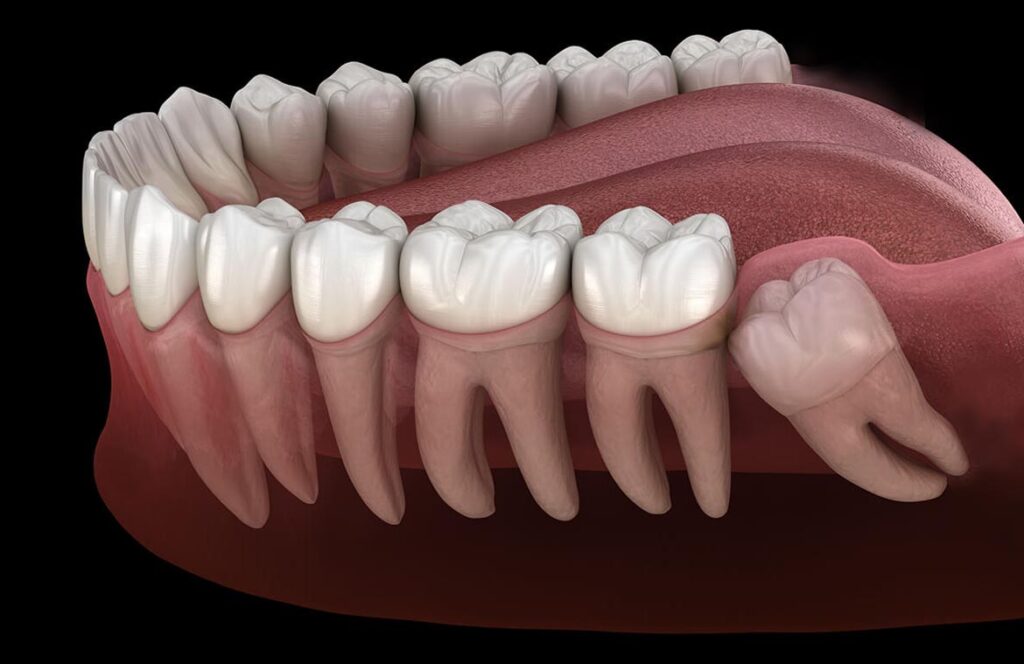
Wisdom teeth, also known as third molars, are the last teeth to emerge in the back of the mouth, usually during the late teenage years or early twenties. In many cases, wisdom teeth may not have enough room to properly emerge, leading to impaction, infections, and other dental issues. In such cases, wisdom tooth removal may be necessary to avoid further damage to surrounding teeth and gums.
Reasons for Wisdom Tooth Removal
There are several reasons why wisdom tooth removal may be necessary, including:
01
Impaction
When wisdom teeth do not have enough space to emerge properly, they can become impacted, causing pain and swelling.
02
Crowding
Wisdom teeth can cause overcrowding, leading to misalignment or damage to surrounding teeth.
03
Infections
Impacted wisdom teeth can lead to infections, abscesses, and other dental problems.
03
Cysts or tumors
In rare cases, wisdom teeth may cause cysts or tumors in the jawbone.
Wisdom Tooth Removal Procedure
The wisdom tooth removal procedure usually involves several steps, including:
01
Consultation
Your dentist will evaluate your dental needs and determine whether wisdom tooth removal is necessary. X-rays and other imaging tests may be used to assess the position of the teeth and surrounding bone.
02
Anesthesia
Before the procedure, you will be given local anesthesia or sedation to help you feel comfortable and relaxed.
03
Extraction
The dentist will make an incision in the gum tissue to access the tooth, remove any bone that blocks access, and extract the tooth. In some cases, the tooth may be divided into smaller pieces to make it easier to remove.
04
Stitches
After the tooth is removed, the dentist will stitch the gum tissue to promote healing.
05
Recovery
You will be given post-operative instructions, such as how to care for the wound, what foods to avoid, and when to follow up with your dentist.
Benefits of Wisdom Tooth Removal
Wisdom tooth removal offers several benefits, including:
01
Pain relief
Removing impacted or infected wisdom teeth can alleviate pain and discomfort.
02
Prevention of dental issues:
Removing wisdom teeth can prevent dental issues such as infections, abscesses, and crowding.
03
Oral health:
Wisdom tooth removal can improve overall oral health, reducing the risk of gum disease and tooth decay.
04
Prevents future complications:
Removing wisdom teeth at a young age can prevent future complications and the need for more invasive procedures.
Aftercare
After wisdom tooth removal, it’s essential to follow proper aftercare practices, such as taking pain medication as prescribed, applying ice packs to reduce swelling, and avoiding solid foods for the first few days. It’s also important to maintain good oral hygiene practices and attend regular dental check-ups to ensure proper healing and prevent future dental issues.
Conclusion
Wisdom tooth removal is a common procedure used to alleviate pain, prevent dental issues, and improve overall oral health. The procedure involves several steps, including consultation, anesthesia, extraction, stitches, and recovery. Wisdom tooth removal offers several benefits, including pain relief, prevention of dental issues, and improved oral health. Proper aftercare practices are essential to promote healing and prevent future complications. Consult with your dentist to determine whether wisdom tooth removal is necessary for your dental health.
Get in touch
