


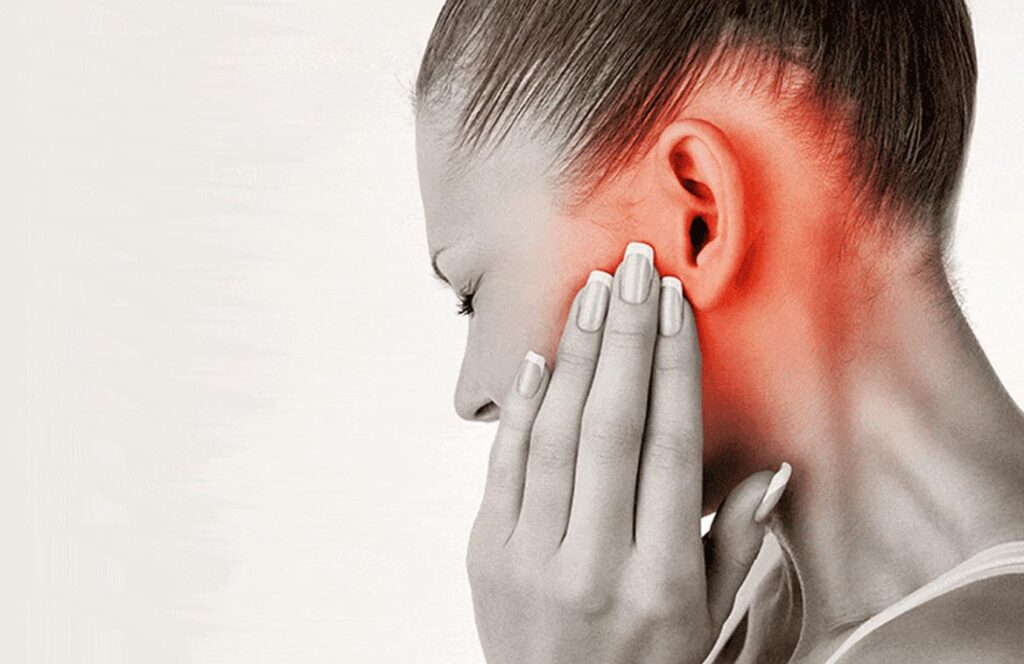
Symptoms of TMJ Disorders
Symptoms of TMJ disorders can vary but may include:
- Pain or tenderness in the jaw joint or surrounding muscles.
- Difficulty or discomfort when chewing, speaking, or opening the mouth wide.
- Clicking or popping sounds when opening or closing the mouth.
- Locking of the jaw joint, making it difficult to open or close the mouth.
- Aching pain in the face, neck, or shoulders.
- Headaches or earaches.
Causes of TMJ Disorders
The exact cause of TMJ disorders is often unknown, but some factors that may contribute to the development of these conditions include:
- Trauma or injury to the jaw joint or muscles.
- Arthritis or other joint disorders.
- Teeth grinding or clenching (bruxism).
- Misaligned teeth or bite.
- Stress and tension, which can cause muscle tension in the jaw.
Diagnosis and Treatment of TMJ Disorders
- Conservative treatments, such as resting the jaw, applying heat or cold therapy, and taking over-the-counter pain relievers.
- Dental treatments, such as wearing a mouthguard or splint to protect the teeth and jaw.
- Physical therapy or massage to alleviate muscle tension in the jaw.
- Prescription medications, such as muscle relaxants or pain relievers.
Preventing TMJ Disorders
There are several steps that can be taken to reduce the risk of developing TMJ disorders, including:
- Avoiding habits that put excess strain on the jaw joint, such as chewing gum or biting your nails.
- Maintaining good posture and avoiding clenching the jaw.
- Managing stress and tension through relaxation techniques such as meditation or deep breathing.
- Seeking prompt treatment for any dental or jaw-related problems.
Conclusion
TMJ disorders are conditions that affect the jaw joint and surrounding muscles, causing pain and dysfunction. These disorders can be diagnosed through a physical examination and imaging tests, and treatment depends on the severity of symptoms. Preventing TMJ disorders involves taking steps to reduce the risk of injury to the jaw joint and managing stress and tension. Consult with your healthcare provider if you experience any symptoms of TMJ disorders to determine the underlying cause and appropriate treatment plan.
